A Rebrand Is More Than a New Look
Jack Morton’s new identity after a merger shows what rebrands really need to do: make a business change legible, usable and believable.
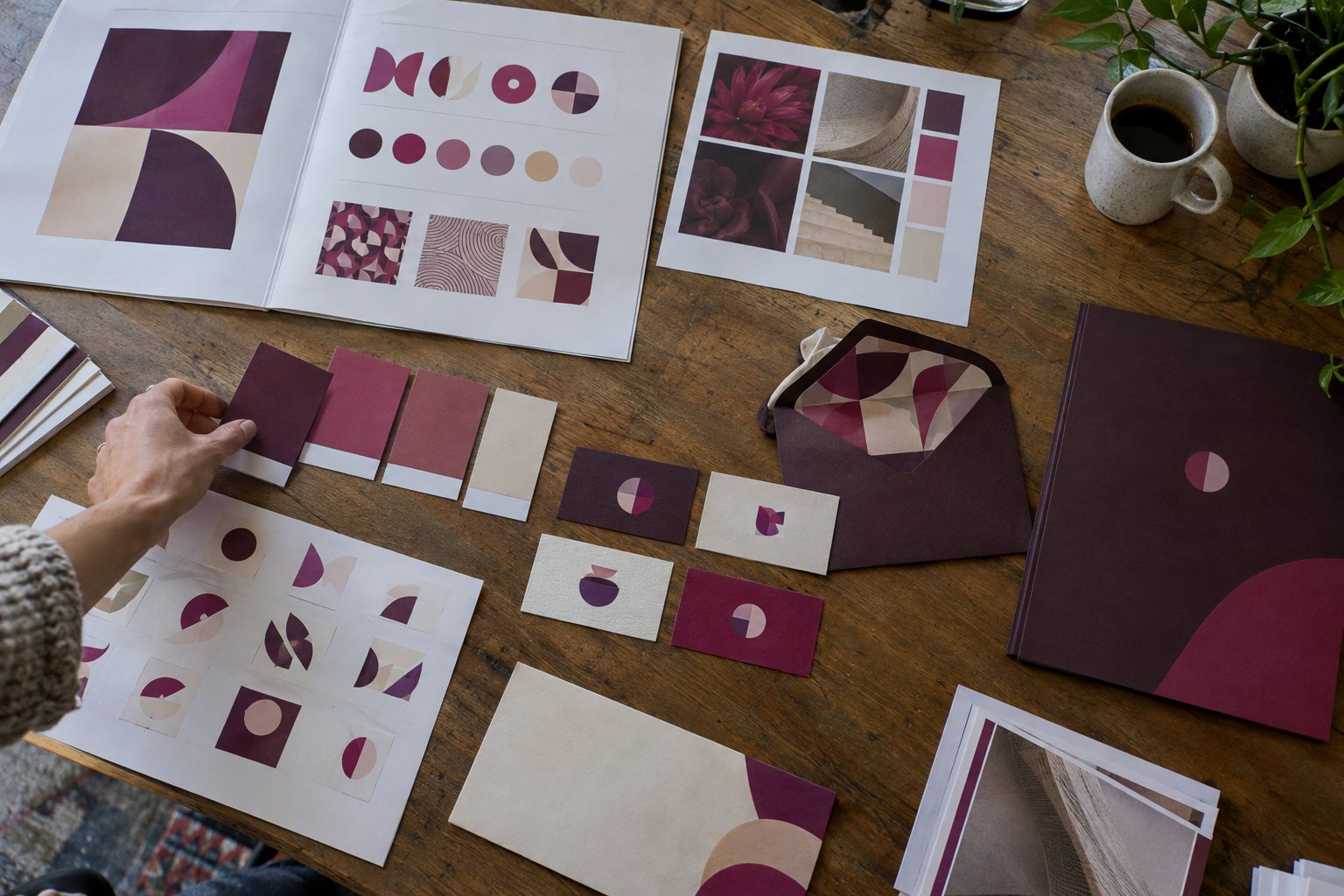
In October, Jack Morton unveiled a new global identity after merging with Impact XM. The agency paired the change with a new position, Experience Without Limits, and a visual system designed to show how modern experiences move beyond one moment. Source
That is the timely signal for founders and marketing leads: a rebrand is most useful when the business has changed, or needs to change, and the brand helps everyone understand what comes next.
What this moment really signals
Jack Morton did not simply refresh its logo. The merger created a larger organization with broader capabilities, so the identity had a job to do. It needed to make the new shape of the company easier to see, explain and remember. Source
The same principle shows up in other recent brand moves. Preston Spire changed its name to Meerkat after 76 years, using the new identity to represent a broader collective and a different direction. Source UTMB’s award-winning rebrand also treated identity as an operating system, rolling the work across signage, clinics, digital platforms, wayfinding, apparel and other touchpoints. Source
For a smaller brand, the lesson is practical. Your identity should help customers answer three questions quickly: what do you do, why should I care, and what makes this version of you distinct?

What most brands will get wrong
They will start with the moodboard. A visual direction can be beautiful and still leave the business unclear. Color, type and packaging matter, but they cannot compensate for fuzzy positioning.
They will mistake novelty for distinction. A new name or trendy design may attract attention for a week. Distinction comes from a recognizable point of view that can hold across a website, sales deck, product, storefront and social post.
They will launch before the team is ready. UTMB’s rollout shows that a rebrand lives across systems, not just announcement day. Source If the founder, sales team and customer experience each describe the brand differently, the new identity will create more friction, not less.
They will copy the scale of larger brands. You do not need a global campaign or a dozen new assets. You need the right few decisions, made clearly and applied consistently.
A practical playbook for this month
- Name the business change. Write one plain sentence explaining what has shifted. This could be a new audience, offer, market, founder role or point of view.
- Choose the audience that matters most now. Do not build a brand for everyone you may serve someday. Pick the customer whose trust and action matter this quarter.
- Write a sharp position. Complete this sentence: We help [specific people] get [specific outcome] through [distinct approach]. Remove words your competitors could also claim.
- Audit the current identity. Review your name, logo, packaging, website, social profiles and sales materials. Mark what is recognizable, confusing, outdated or inconsistent.
- Build a small identity system. Define the core message, visual direction, type styles, color rules, image approach and two or three repeatable brand behaviors. A system is more valuable than a single hero asset.
- Test in real conditions. Put the identity on a mobile homepage, product label, email subject line, proposal cover and social post. If it only works in presentation mode, it is not ready.
- Launch with proof. Explain what changed, why it changed and what customers can expect next. Then show the new promise through the customer experience.

How we would play it
We would take the same change-first approach for EntrepreNOW. For a startup-facing brand, the work has to make ambition feel tangible without slipping into generic innovation language. We would clarify the audience and promise first, then build a flexible identity that can move between community, content, events and digital experiences.
The takeaway is simple: do not rebrand because the old logo feels tired. Rebrand when the business needs a clearer story, then make every touchpoint help tell it.
Our brand foundations work starts the same way: what stays, what changes and how the new identity shows up in real touchpoints. Browse the portfolio for rebrands in action, or read how brand experiences start with a ritual once the new look is ready to meet people.
Thinking about a refresh? Start the conversation here.
Sources
https://finance.yahoo.com/media-advertising/articles/jack-morton-unveils-brand-identity-101500590.html
https://www.mediapost.com/publications/article/418671/preston-spire-rebrands-as-meerkat-agency-acquires.html?edition=144137
https://www.utmb.edu/news/article/utmb-news/2026/10/07/utmb-rebrand-earns-national-recognition-for-comprehensive-brand-transformation
Read Also


