The Best Brand Experiences Start With a Ritual
Yoplait Skyr’s run club café takeover shows where experiential marketing is heading: less spectacle, more useful participation rooted in real routines.
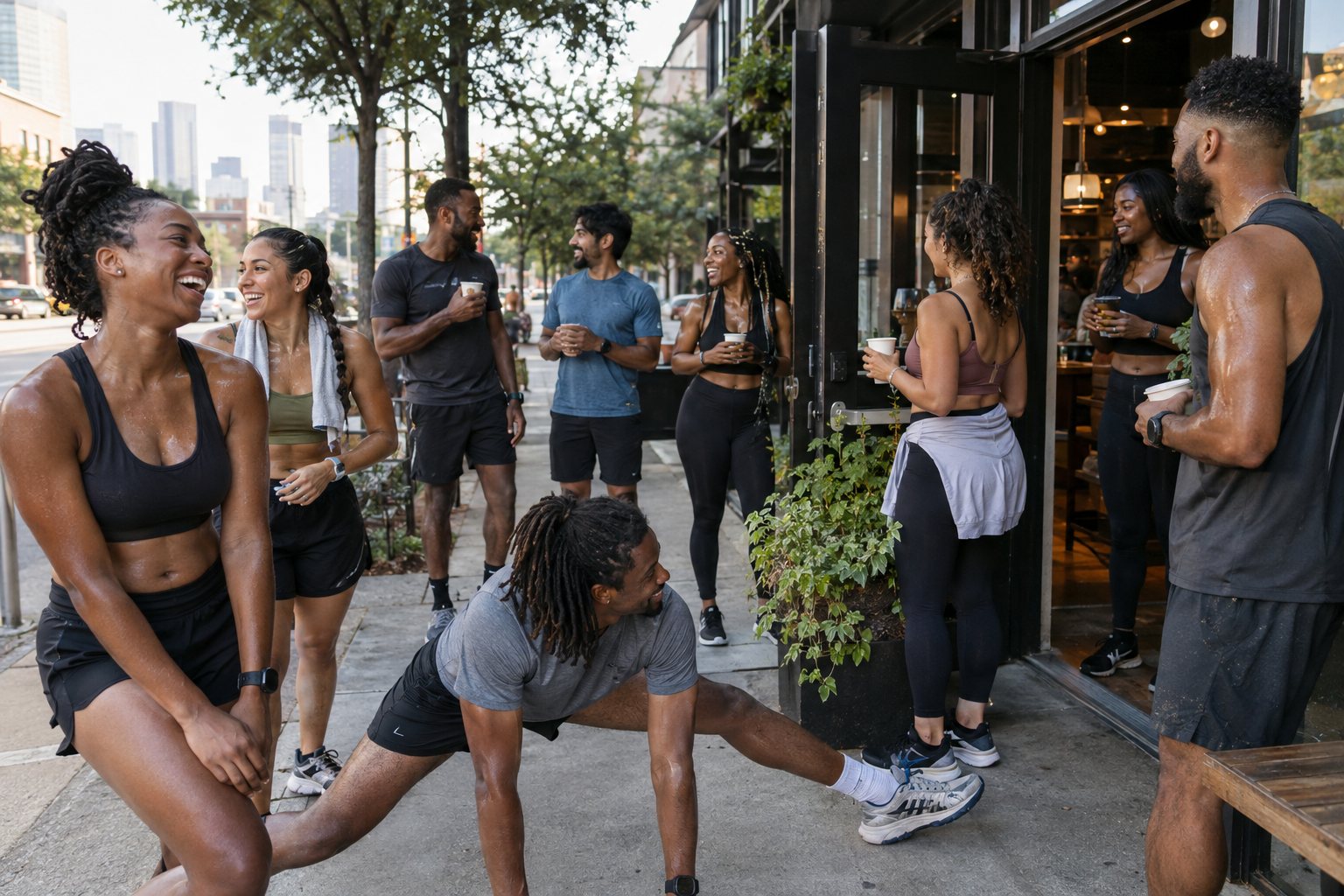
One of the clearest experiential signals this month is happening around a simple routine: the post-run breakfast.
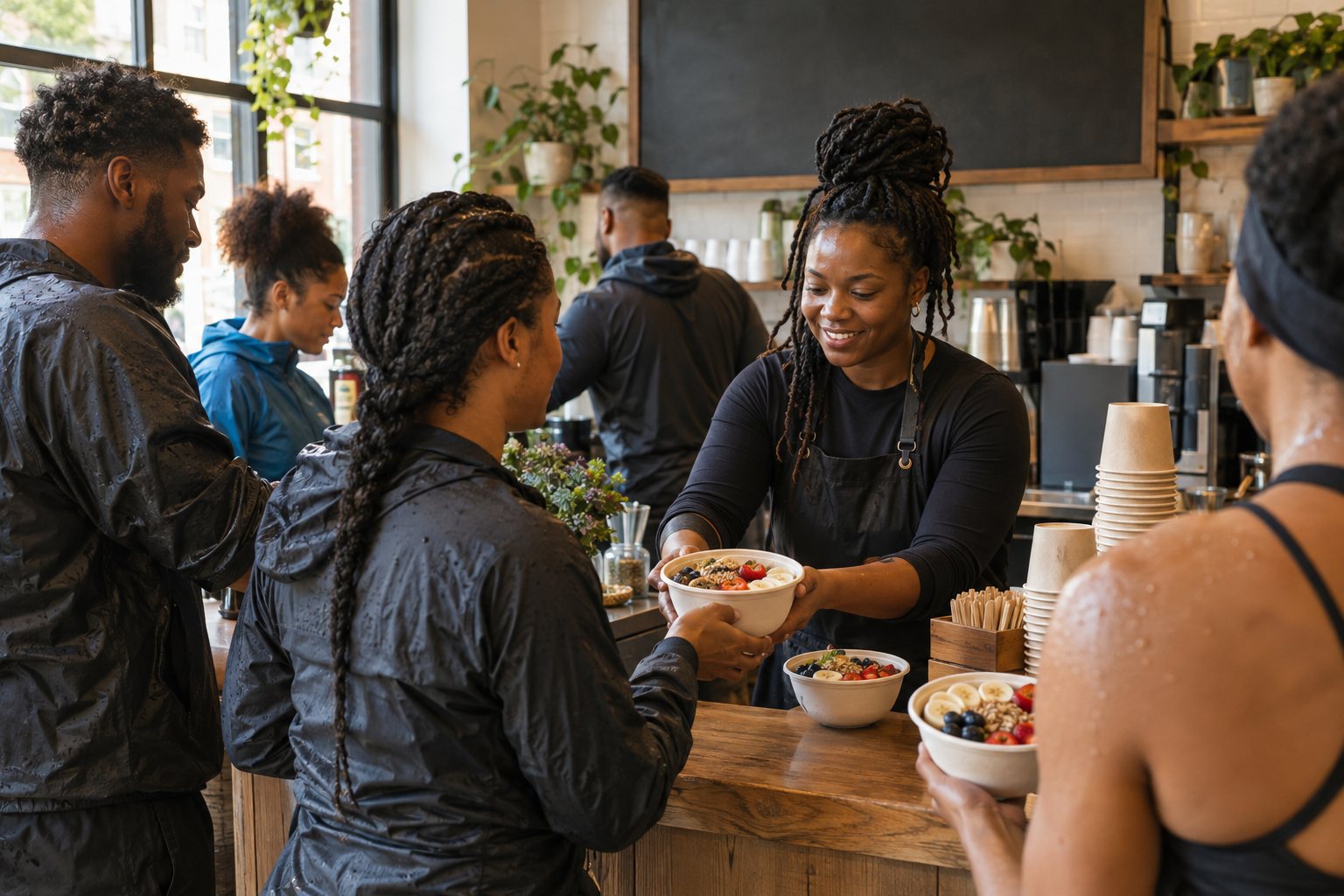
Yoplait Skyr partnered with four Dublin run clubs and four local cafés for a campaign running through September and October. After completing their routes, runners receive breakfast pots with Yoplait Skyr, fruit and granola. Coffee arrives in co-branded takeaway cups, club captains wear branded merchandise, and the cafés carry the visual system into posters, displays and chalk art. The campaign is supported by social content and out-of-home placements across roadside, rail, gym and transport locations. Source
That is not a giant branded set dropped into a random high-footfall location. It is a product placed inside a moment people already value, with enough utility to make participation feel natural.
What this moment really signals
Experiential is moving from spectacle to belonging. The winning question is no longer, how do we get people to visit our activation? It is, what are people already doing together, and how can the brand make that ritual more generous, memorable or useful?
Yoplait Skyr works because the product has a credible role in the moment. Runners are already looking for food, coffee and conversation after a workout. The brand adds breakfast, not a forced performance. The run clubs add trust, local relevance and an existing audience. The cafés make the idea visible beyond the event itself.
Other recent campaigns point in the same direction. Keebler’s Spookie Stripes Safari connects product sampling to family time at six U.S. zoos, with a QR code extending the experience into a digital game. Source CHAGEE’s Singapore launch asks friends to make time for a shared playdate, then brings that idea to life through a weeklong pop-up and artist collaboration. Source
What most brands will get wrong
They will copy the visible layer. Branded cups. A photo wall. A limited edition. An influencer appearance. Those details can help, but they are not the strategy.
The mistake is treating community as a media placement instead of a relationship. A brand shows up, takes content, collects emails and leaves. The audience gets a backdrop. The brand gets a recap deck. Nobody gets a reason to come back.
Another common miss is choosing a partner only for reach. The right partner is not necessarily the largest creator, venue or group. It is the one with a real point of connection to the behavior the brand wants to support.
A practical playbook for this month
- Start with a ritual. List three recurring moments your audience already shares: the morning commute, Sunday service, a salon appointment, a study session, a pickup game or the meal after practice.
- Find the friction. Ask what would make that moment easier or better. It could be a meal, a tool, a refill, a useful conversation, a sample or a reason to stay ten minutes longer.
- Choose one trusted host. Partner with a local café, studio, retailer, community group, school, creator or venue that already carries credibility with the people you want to reach.
- Design one human exchange. Give guests something to do together, not just something to photograph. Build in a prompt, challenge, tasting, workshop, match, conversation or shared reward.
- Make the brand role obvious. If removing the logo would not change the experience, the concept is too generic. Tie the product or service to the useful part of the ritual.
- Plan the afterlife. Capture permission-based stories, create a simple follow-up offer and give partners assets they can use. The experience should keep moving after the physical moment ends.
- Measure behavior, not just attendance. Track participation, sampling, partner referrals, saves, sign-ups, repeat visits and qualified conversations. A crowded room is not automatically a successful campaign.

How we would play it
For a beauty brand, we would borrow the structure behind Dose of Beauty: build around a specific audience need, create a welcoming point of entry and make the experience feel culturally fluent rather than overly staged.
We would pair the brand with a trusted local ritual, such as a post-class reset at a beauty studio or wellness space. Guests would receive a useful mini service, learn one practical technique and leave with a product that fits the routine. The content would come from real participation, not a manufactured photo opportunity.
The takeaway is simple: start where people already gather, then give that gathering a reason to feel better. That is how a small activation becomes part of the culture around a brand.
This is the thinking behind our campaigns and experiences work: start with the ritual, then design the brand role around it. You can see how it plays out across categories in our portfolio, and if a rebrand is part of the plan, read why a rebrand is more than a new look.
Planning an activation for the next quarter? Tell us about it here and we will map the ritual, the partner and the follow-up with you.
Sources
https://www.adworld.ie/2026/10/16/yoplait-skyr-targets-dublin-run-clubs-with-cafe-takeover-campaign/
https://www.emarketer.com/content/halloween-gives-experiential-marketing-retail-test
https://www.marketing-interactive.com/chagee-puts-playtime-back-on-singapore-s-calendar
Read Also


